News and advice / Archive
Animal welfare at the heart of dairy farming
English editorial edition of an archived AGYE article. Historical products, figures and programmes reflect the original publication. Read the original French article ↗
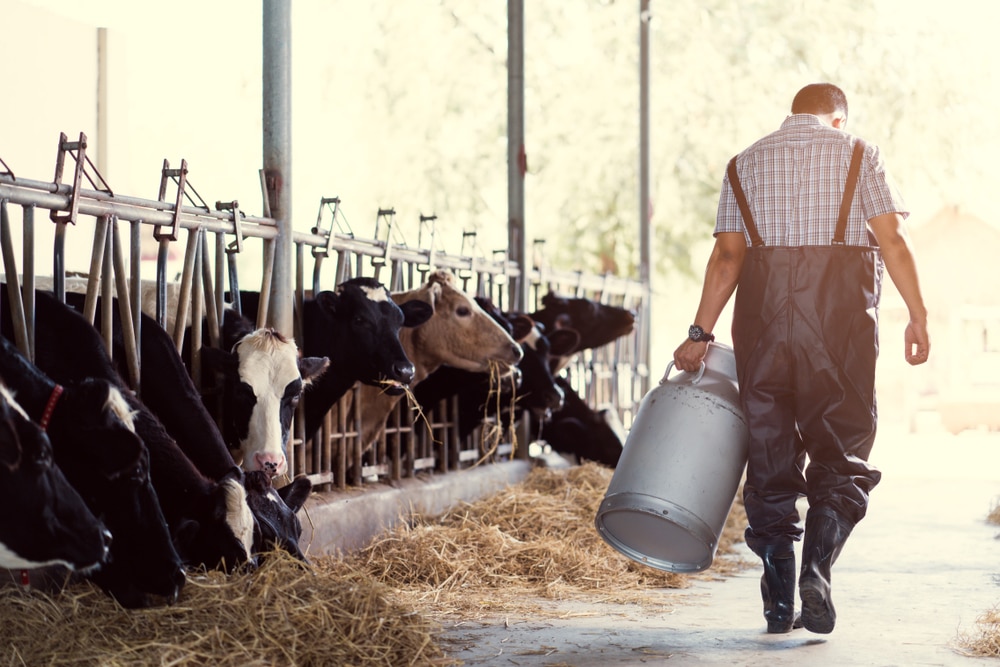
Animal welfare matters to both farmers and consumers. Expectations about the way animals live continue to develop, encouraging practices that consider cows, food production and the environment together.
Several dimensions of welfare
Health: balanced feeding, hygiene and regular observation support herd health.
Comfort: clean, dry bedding, suitable shelter and sufficient space allow cows to rest and move.
Social contact: cows are social animals, and interaction within the herd is an important consideration.
Natural behaviour: grazing, ruminating, resting and exploring are all part of a cow’s behavioural needs.
Practical improvements
Grazing provides opportunities for natural behaviour and access to forage. Comfortable, clean bedding supports rest and hygiene. Housing should provide enough space and appropriate ventilation and protection from weather.
Suitable enrichment and opportunities to explore can add interest to the environment. Training helps stockpeople recognise animal needs and apply appropriate husbandry practices.
Technology as a support tool
Connected sensors allow continuous observation of selected behavioural indicators and can draw attention to changes that warrant investigation.
Robotic milking can offer cows more choice about when they are milked, depending on the system and its management. Farm software helps organise information and support decisions about the herd.
A shared responsibility
Good husbandry and useful technology can help bring milk production and animal welfare together. Consumers also influence the sector through the products and farming practices they choose to support.