News and advice / Archive
Livestock farming and the challenge of climate change
English editorial edition of an archived AGYE article. Historical products, figures and programmes reflect the original publication. Read the original French article ↗
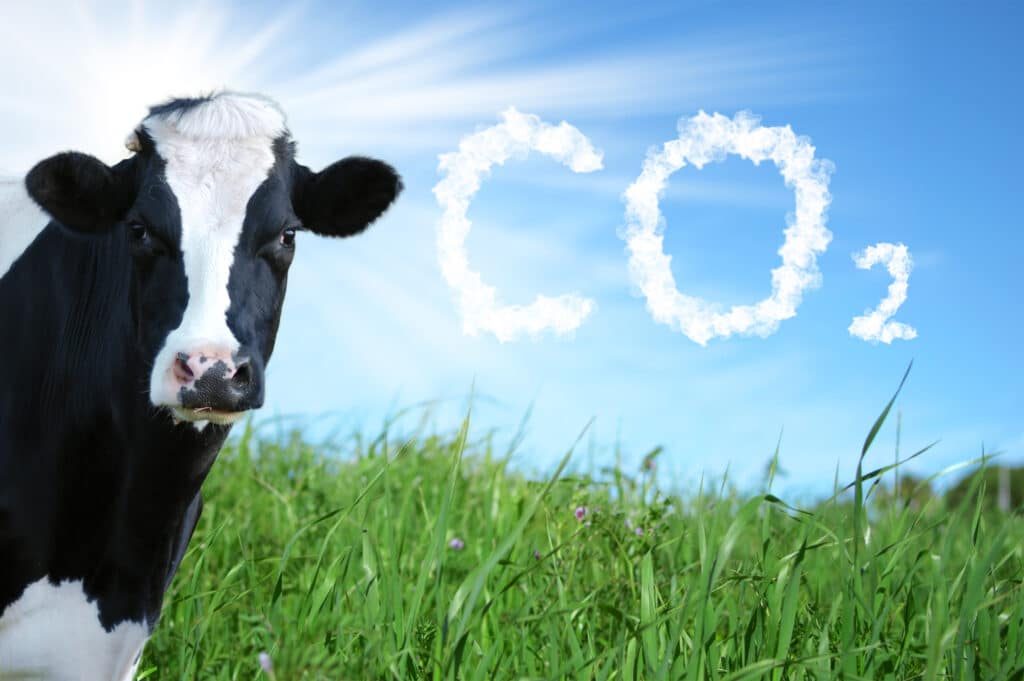
Climate change is already affecting livestock farming. Adapting working practices and finding practical innovations are important to the continuity of farms and the welfare of their animals.
Several connected impacts
Drought, flooding, heatwaves and changes in the spread of animal disease can disrupt production. Extreme weather affects natural cycles, water availability, feed resources and animal health.
Farmers at the forefront
Farmers observe these changes directly. Practices developed over generations may need to evolve as conditions become less predictable. Adaptation involves both the resilience of the business and the needs of the animals.
Innovation and resilience
Precision agriculture can help manage water and forage resources in response to local conditions.
Sustainable grazing, including pasture rotation and considered herd management, can help protect soils and support ecosystem resilience.
Breeding programmes can consider resistance to environmental stress and disease alongside other production objectives.
Building a more resilient future
Climate change creates a major challenge, but also an opportunity to rethink practices. Farmers, researchers, public bodies and citizens all have a role in developing livestock systems that support food security while caring for the environment.